
How to clean a granite headstone after winter
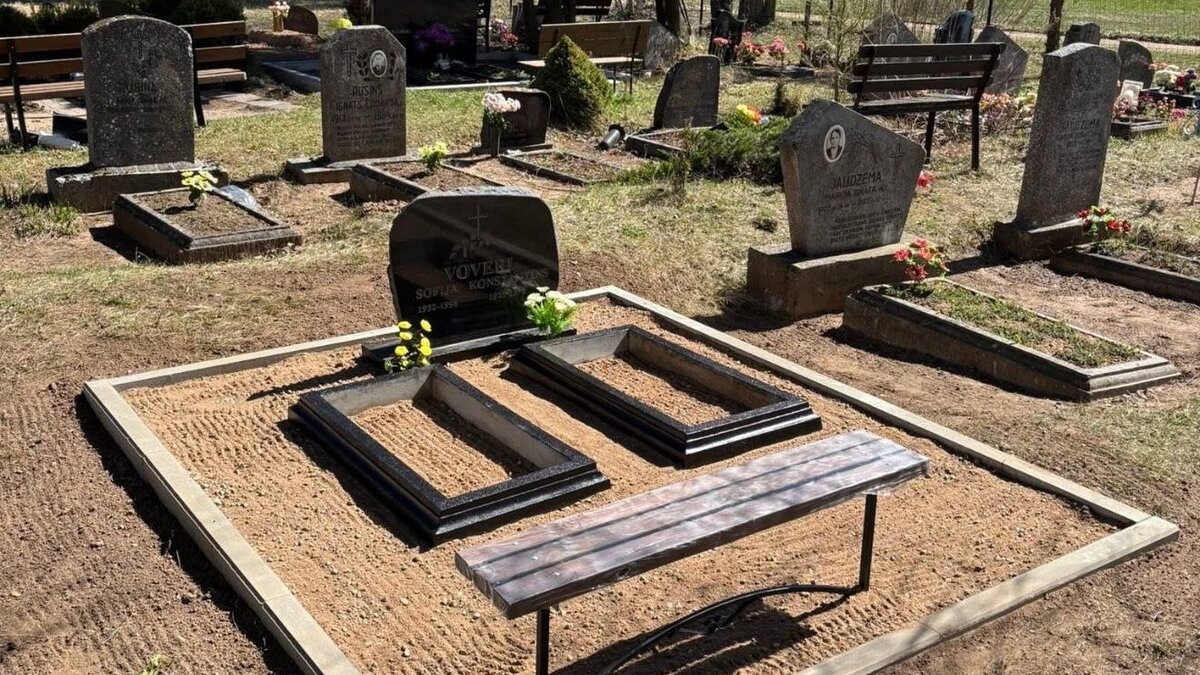
When the snow melts, inspect the stone, foundation and engraving before cleaning. Gentle care helps preserve the surface and lettering.
Check the condition first
Postpone cleaning if the stone is leaning, cracked or has loose parts, and ask a mason to assess it. Choose a period of settled above-freezing weather with no frost expected.
Start with water and a soft cloth
Use clean water and a soft sponge, cloth or very soft brush. Gently remove dust, needles and pollen, then rinse thoroughly. Avoid heavy pressure and large temperature differences between the water and stone.
Choosing a cleaner
If water is insufficient, select a neutral cleaner suitable for the specific stone and finish and follow its instructions. Test a small inconspicuous area first. Treat painted and gilded lettering with particular care.
Moss and lichen
Try loosening wetted surface deposits with a soft brush. Avoid forceful scraping of firmly attached lichen or fragile areas. If gentle cleaning is ineffective, send photographs to the workshop.
Products and tools to avoid
Avoid acidic bathroom cleaners, bleach, wire brushes, abrasive powders and pressure washing. Vegetable oil and ordinary wax used for shine can stain the stone and attract dirt.
When to ask for help
Contact Mūžības Akmens for faded letter paint, persistent stains or foundation repairs. Send a full photograph and close-ups for an individual assessment and estimate.
Begin with an inspection and photographs
Take a full photograph of the memorial, the inscription and any areas that concern you. Look at the joint with the base and the nearby borders as well. Comparing these images with photographs from the previous year can help identify changes. If a component appears unstable, contact a specialist before continuing. Do not use the monument as a support for a ladder, buckets or other objects while tidying the site.
Distinguish dirt from a repair issue
A dull patch, faded lettering and a crack are different problems. Before trying to remove a persistent mark, establish what finish the stone has and whether a coating has previously been applied. Send a close-up and a full photograph, explaining when the change was noticed. This provides a better starting point for discussing gentle cleaning, renewal of the inscription or an assessment of more extensive restoration work.
Explain the history when asking for help
Tell the workshop the cemetery name, the approximate age of the memorial and which changes you have noticed. Mention any cleaning products previously used if you know them. Include borders or surfacing in the enquiry if those also need attention. The scope, price, visit arrangements and timing are agreed after the situation is assessed. A complete restoration is not automatically necessary; the first step is to identify the work that is actually required.
Source on preserving grave markers U.S. National Park Service