
How to choose a photograph for portrait engraving
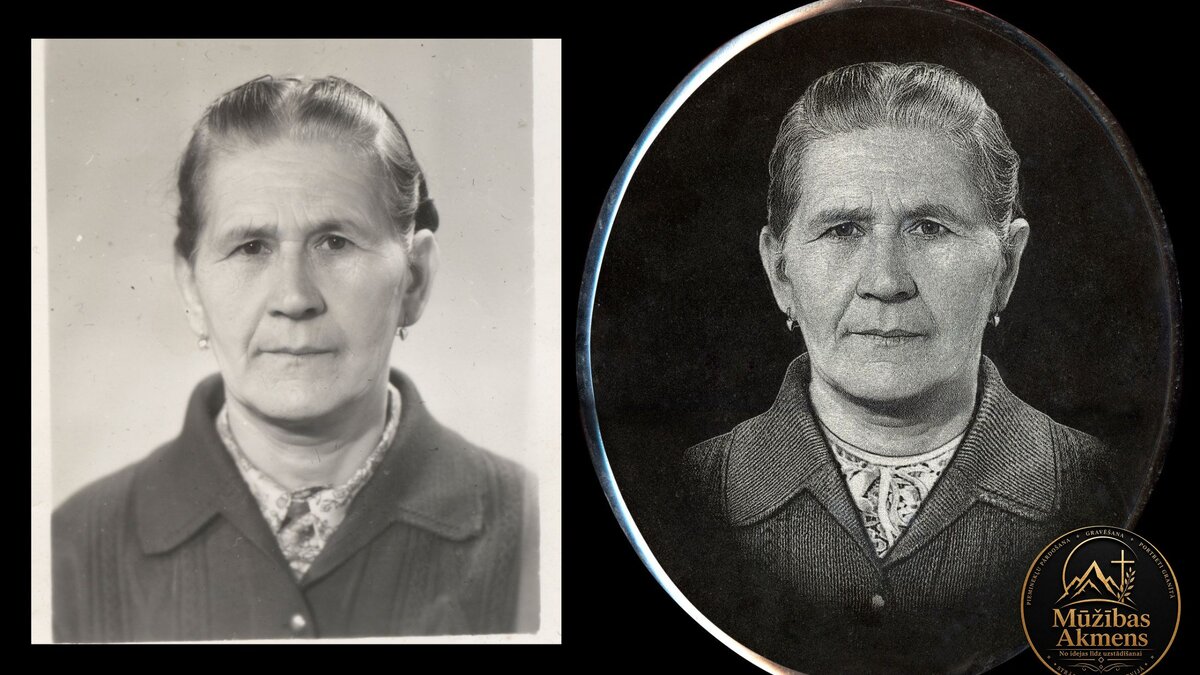
Choose a clear portrait, send the original file if you have it and review the layout before engraving.
Look for a clearly visible face
Check the eyes, the outline of the face and the lighting. Send several suitable photographs and let us know which you prefer. Strong shadows and motion blur can hide details.
Send the original or a full scan
Keep the full frame around the head and shoulders. If the only copy is a paper photograph, scan it or photograph it straight on in even light, or bring it to the workshop for assessment.
Review the layout
Check the expression, crop, size and placement alongside the inscription. We can assess an older or damaged photograph and explain which details can be retained.
Send the context as well as the photograph
Include the model reference or a full photograph of the memorial. Explain whether you want the face only or the shoulders and clothing too, and where the inscription will sit. Mention any details that are especially important to the family, such as glasses or a familiar hairstyle. If there will be more than one portrait, discuss the complete arrangement so that the pictures and lettering have enough space.
Compare possible photographs thoughtfully
The most recent photograph is not necessarily the best starting point. Choose an image in which the person is recognisable to the family and the expression feels appropriate. If you would like a face from one picture combined with clothing from another, send both originals and explain the request. The workshop will assess what is possible from the supplied material; enlarging a small image does not by itself recover missing detail.
Check the complete layout before approval
Look at the whole design and then compare the face with the original photograph. Check the eyes, mouth, outline and expression, together with the spacing around the name and dates. Ask about anything that is unclear before approving the engraving. Use one current layout version when gathering comments from relatives, and choose one person to communicate the final corrections to the workshop.
Keep an untouched copy of the source
Save the original photograph before making any edits. If you send an already retouched version, include the original too. Give multiple files clear names and identify which picture should be the main reference. Explain what you like about the other images rather than assuming the intended combination is obvious. Keeping the full frame also leaves room to discuss a different crop if the composition changes.
Bring a paper original if needed
If the only suitable picture is a printed photograph, arrange a visit and bring it for assessment. Explain which person should appear when the source is a group photograph, and identify any features you particularly want to retain.